
Hunt County Arrest History
The Hunt County Sheriff's Office makes arrests in its jurisdiction and runs the county booking facility. Greenville, Commerce, Quinlan, and other city police departments create their own arrest and offense reports. Texas DPS Highway Patrol, precinct constables, and Texas A&M University-Commerce police can also arrest. The agency that took action remains the source for its report even if the person was later booked into the Hunt County Detention Center.
An arrest can create four distinct records: the agency report, the jail booking, the magistrate or court file, and a DPS fingerprint event. Each changes on its own timetable. A booking charge reflects what arrived at intake. A prosecutor may later amend it, replace it, or decline to file it. Hunt County arrest history must therefore be read beside the correct court disposition.
Hunt County Date-Range Bookings
The official Hunt County Jail Inmate Search is the fastest verified route for recent custody. Leaving both dates blank and pressing Search returns current inmates. Adding a starting and ending date searches for people held during that period. A result-limit control caps the rows returned.
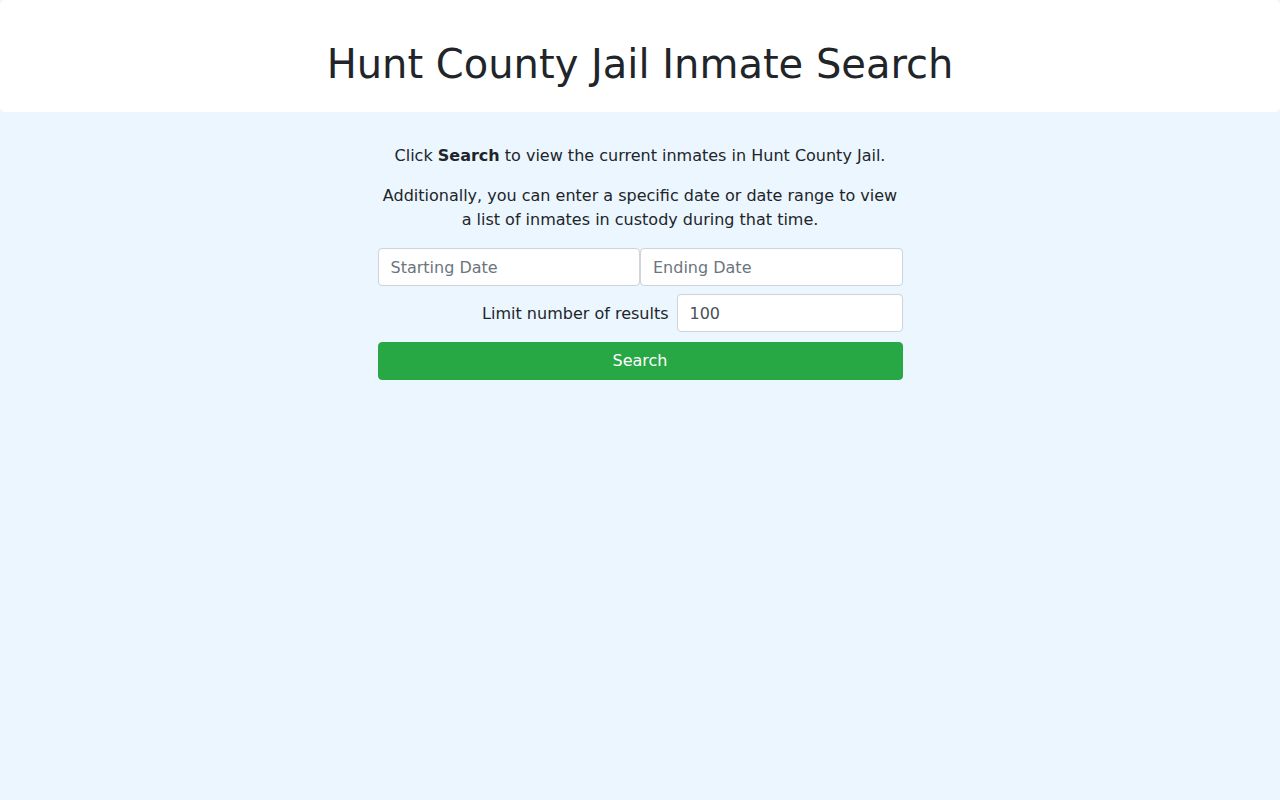
The screen shows why a blank current list is not the same as no Hunt County arrest. A released person may still appear through the date range, while a person transferred to state prison belongs in another custody system.
| Control | Type | Required | Function |
|---|---|---|---|
| Starting Date | Date input | No | Begins a custody-date range |
| Ending Date | Date input | No | Ends the custody-date range |
| Limit number of results | Number input | Unspecified | Caps returned rows |
| Search | Button | Not applicable | Blank dates display current inmates |
Looking Up Hunt County Arrests
Use the channel that matches the part of the event you need. The booking search answers recent custody questions, while the arresting agency controls its report. The court clerk holds the filed charge. DPS supplies only the statutorily public statewide history slice through its public product, and a formal request remains the fallback when an online view does not answer the question.
- Search the Hunt County jail interface without dates for current custody, then use a date range for a past booking.
- Call jail information at (903) 453-6849 if custody or release status needs clarification.
- Request the arrest or offense report from the agency that created it. Use the Sheriff's CID route only for sheriff-held records.
- Check the District Clerk for a filed felony or the County Clerk for a Class A or B misdemeanor, then match cause and booking identifiers.
- Use the Texas Department of Public Safety Criminal History Conviction Name Search for the public statewide subset, or DPS fingerprint review when checking your own fuller Texas record.
- Submit a focused Texas Public Information Act request when the proper agency has no adequate online record.
For a state-prison transfer, use TDCJ Online Inmate Search rather than the county roster. Federal custody requires the Bureau of Prisons locator. No verified official Hunt County Sheriff mobile app was established, so no app-only arrest feature should be assumed.
Hunt County Sheriff Arrest Requests
Hunt County does not advertise a separately branded records division. The official sheriff fallback is the Criminal Investigations Division open-records channel. Requests may be delivered at 2801 Stuart Street in Greenville or faxed to Claudia Alvarado at (903) 461-7793 during weekday request-counter hours of 8:00 a.m. to 4:00 p.m. The form says reports cannot be faxed back to the requester.
The Sheriff CID instructions pictured below link the current request form and explain the open-record route.
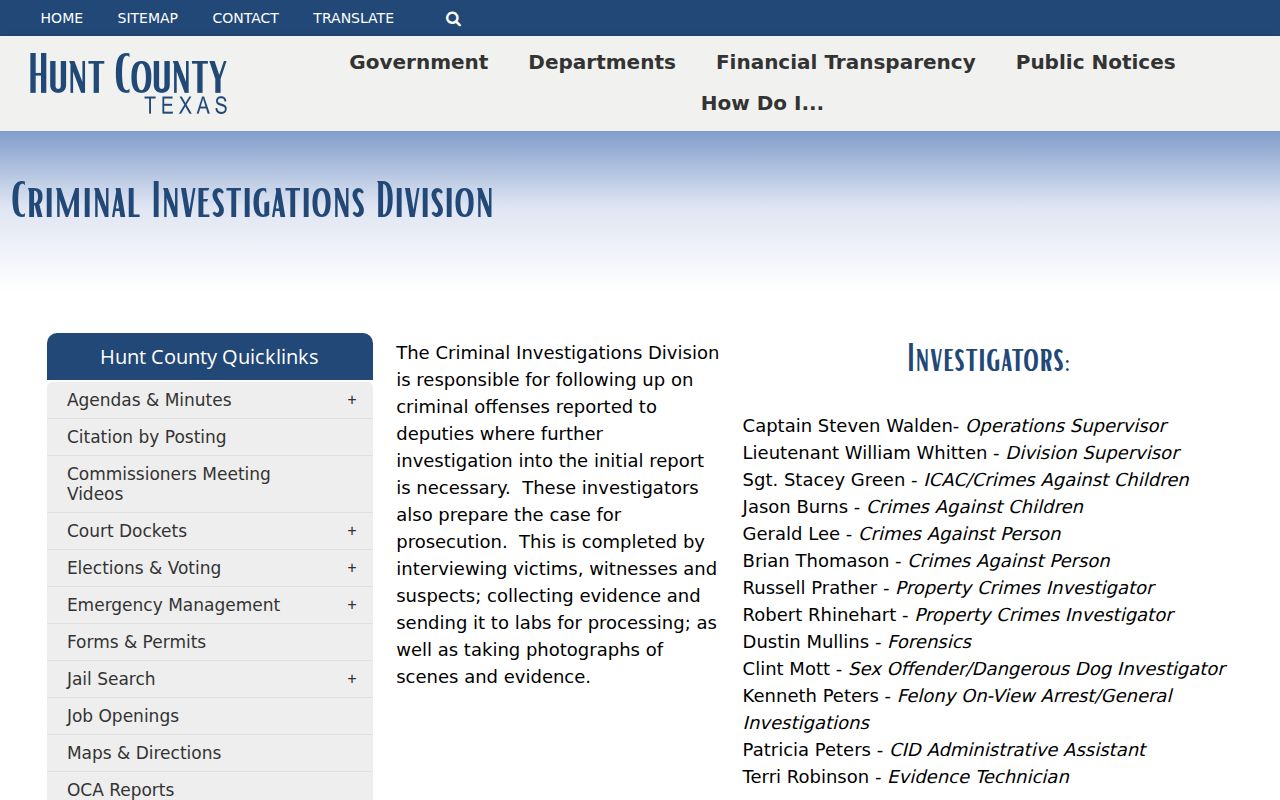
Give the incident number when known, plus date, location, involved party, agency, and the exact material sought. An active investigation may not be released in full until completed.
Hunt County Sheriff CID
2801 Stuart Street
Greenville, TX 75401
(903) 453-6800
Fax: (903) 461-7793
Request counter: weekdays, 8:00 a.m.-4:00 p.m.
Inside a Hunt County Arrest Record
An agency arrest report and a jail record overlap, but they are not identical. The report can carry the event narrative, statutory authority, officer, location, property, and evidence references. Booking adds intake identifiers, fingerprints, photograph, charges delivered to the jail, bond, and custody status. Public copies commonly redact full birth dates, driver's-license numbers, victim information, medical details, and confidential narrative portions.
| Report or Booking Number | Connects the agency event or jail intake to follow-up requests. |
|---|---|
| Date and Time | Separates the arrest event from the later booking and court filing dates. |
| Arresting Agency | Identifies which sheriff, police, constable, trooper, or campus office holds the report. |
| Intake Charges | Lists allegations presented at booking, which may differ from filed charges. |
| Bond | May show cash, surety, personal-bond, or no-bond status. |
| Booking Photo | Availability varies and does not authorize harassment, misuse, or republication. |
| Release or Custody Status | Shows whether the person remains in county custody or has left that system. |
A photo or booking row shows that an intake event was recorded. It does not establish the truth of the allegation or the final Hunt County court result.
Hunt County Police Arrest Routes
City police reports stay with the city that created them. The sheriff cannot supply a Greenville Police Department report merely because Greenville officers delivered someone to the county jail. The same rule applies to Commerce Police, Quinlan Police, Highway Patrol, constables, and campus police. Ask the arresting agency for the report and the county clerk for the separate court file.
The official Greenville Police Records Division page identifies the city-held request channel.
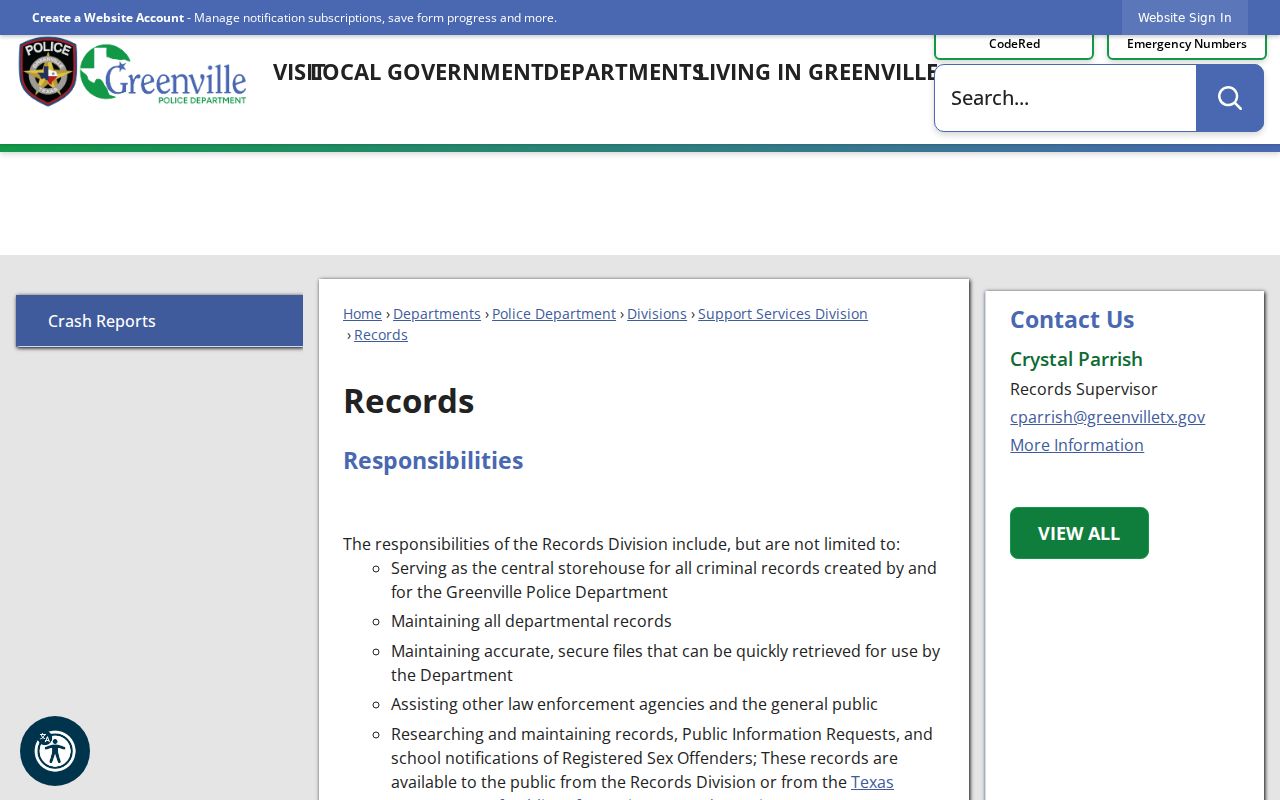
The linked city source is the correct route for Greenville arrest and incident reports, not a substitute for Hunt County booking or criminal court records.
The Greenville Police directory provides the municipal staff and department context shown below.
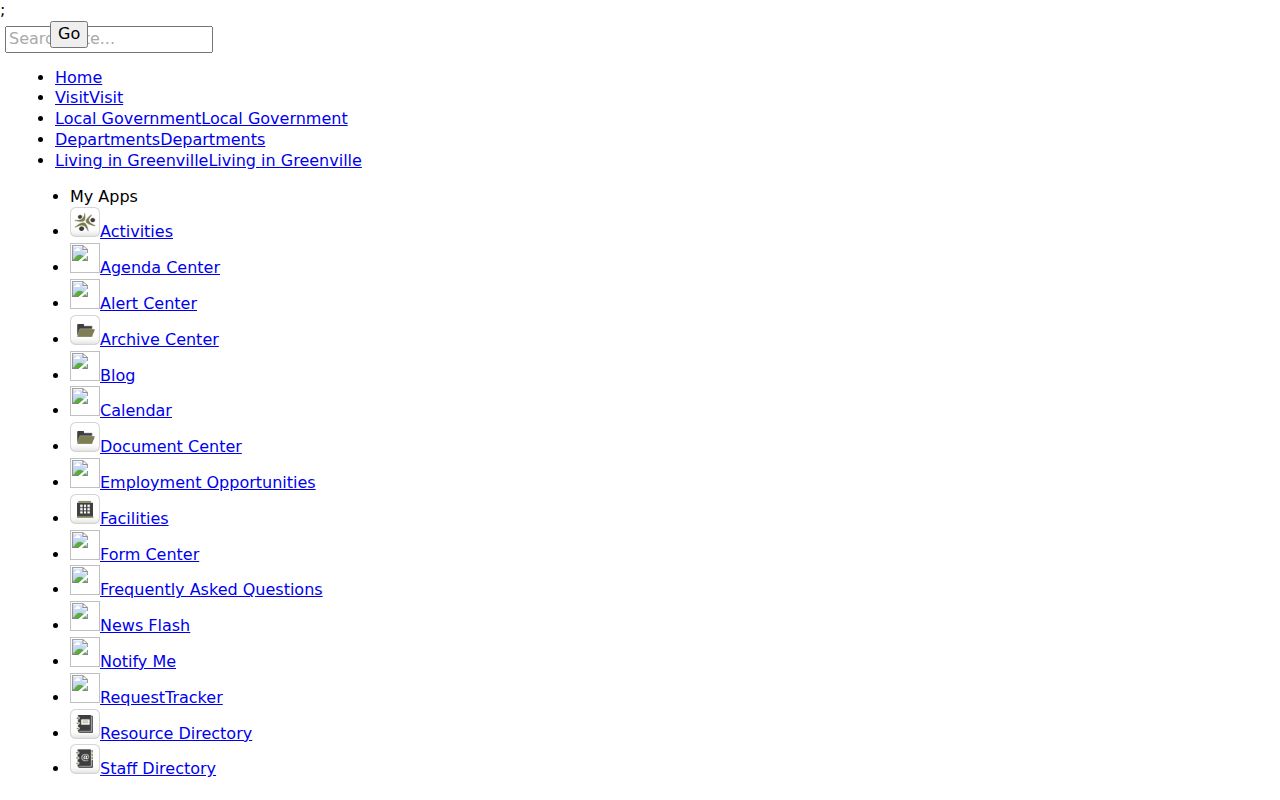
Together, the two Greenville sources show the distinction between locating the department and using its records route.
Booking Logs and Recent Arrests
The Hunt County jail interface serves as the verified booking log. Current-inmate results answer who is in county custody now. Date-range results help locate a prior period. Typical rows may expose a booking identity, booking date, custody status, and charge or bond information. Photo, demographics, arresting agency, release date, warrant, court, or housing fields can vary by view.
A roster has strict limits. Entries can leave the current view after release or transfer. A date search is not an annual crime count, and result totals should not be treated as a countywide arrest rate. Absence also proves nothing about a past arrest by a city agency, a record under restricted access, or a person now held by TDCJ.
Note: Hunt County booking logs describe custody events; they neither decide guilt nor replace a clerk-certified court disposition.
Hunt County Arrests After Booking
Booking ordinarily includes transport, identity confirmation, property inventory, medical and mental-health screening, photograph, fingerprints, charge and warrant entry, classification, and housing. Texas generally requires presentation before a magistrate without unnecessary delay and within 48 hours. Separate probable-cause timing applies after a warrantless arrest. The magistrate gives statutory warnings and addresses probable cause and bond.
The record then splits again. Fingerprints and identifying data for a reportable Hunt County arrest can travel to DPS. The prosecutor decides what, if anything, to file. The court later reports an eligible disposition. Delays or unmatched identifiers can leave a booking entry without an immediate final outcome in the public statewide product.
Record flow: Arresting Agency › Hunt County Booking › Magistration › Prosecutor › Court Disposition › DPS Update
Arrests Are Not Convictions
An arrest record documents that an officer or agency took enforcement action and that a booking may have occurred. A conviction record follows a court judgment of guilt. These records are made by different offices, use different identifiers, and can end differently. A Hunt County case may be rejected, no-billed, dismissed, tried to acquittal, resolved through deferred adjudication, or end in conviction.
| Point | Arrest Record | Conviction Record |
|---|---|---|
| Created by | Arresting agency and jail | Court, then eligible reporting to DPS |
| Shows | An enforcement or booking event | A judgment of guilt |
| Local source | Agency report and Hunt County jail | District Clerk or County Clerk |
| Possible ending | Release, no charge, later filing, or transfer | Sentence, appeal, later order, or lawful restriction |
The filed outcome belongs in the Hunt County criminal court case file. Read that judgment rather than inferring guilt from a jail row or photograph.
Note: A Hunt County arrest is not proof of guilt, and many bookings do not end in a conviction.
Hunt County Custody Transfers
County jail, state prison, and federal custody use separate locators. Hunt County covers pretrial detention and shorter local custody. A person transferred after sentence may disappear from the county roster and appear in TDCJ Online Inmate Search by name, TDCJ number, or SID. Federal custody is different again and belongs in the Bureau of Prisons system.
The official Commerce Police Department page is another example of an arresting agency whose report channel remains separate from the Hunt County jail.
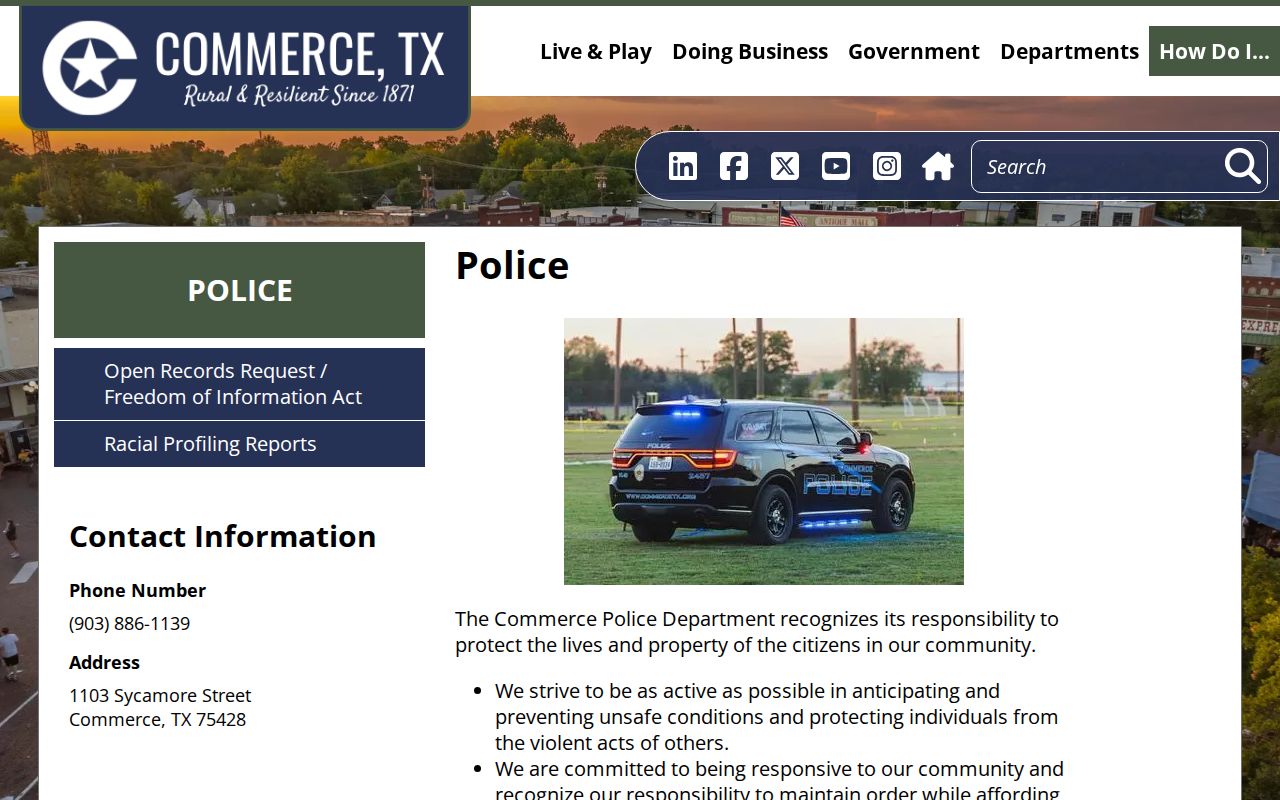
A Commerce arrest may produce a city report, county booking, court cause, and state entry without turning those sources into one merged record.
The Federal Bureau of Prisons locator pictured below applies only after a federal custody placement.
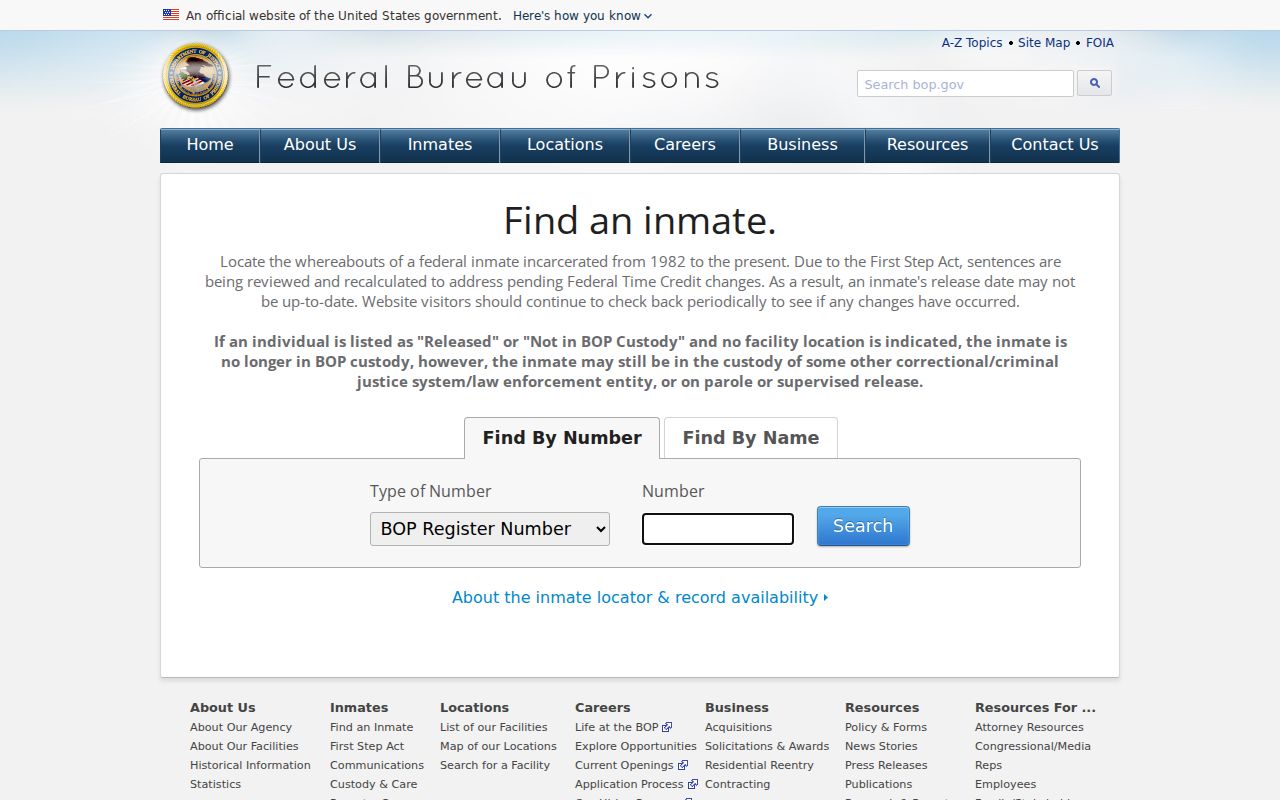
A local Hunt County arrest or Texas prison sentence will not appear there merely because the event involved a serious charge.